
If I train with food, will I always have to use food?
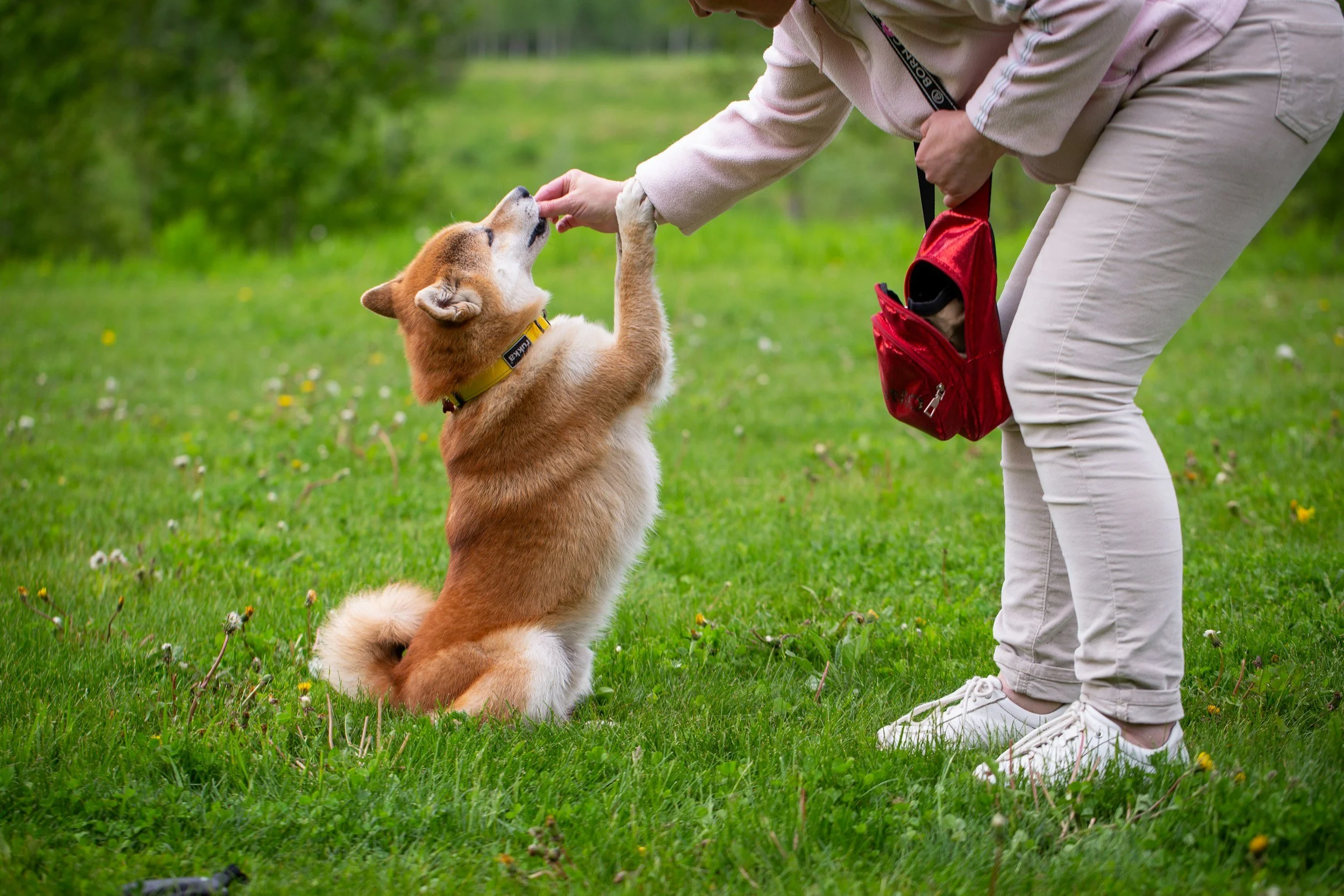
There's a question that comes up a lot, usually from someone who's recently started training their dog with food and is beginning to have a quiet panic about where this is all heading. The question goes something like this:
"If I train with food, will I always have to use food?"
And I understand the worry. I really do. After all, it's rooted in logic. If the food is what's making the behaviour happen, then surely removing the food means the behaviour disappears? That's a completely reasonable thing to conclude, and a theory many Labradors would strongly support.
It's also (mercifully) not quite how it works.
The image problem (and where it comes from)
Part of the reason this concern persists is the image of food-based training that tends to float around in people's heads. The dog who only performs when a treat is visible, the owner rattling a bag of gravy bones like a human vending machine, and the dog who clocks that your hands are empty and immediately loses all interest in cooperating.
That image is real, and it puts a lot of people off food-based training entirely. Which is a shame, because what you're actually looking at is food used badly, not food used effectively.
When food is used well, it's a teaching tool. When it's used carelessly, it becomes a bribe that has to be produced upfront to get anything done. Those are two very different things, and they lead to two very different outcomes.
Luring vs rewarding; absolutely not the same thing
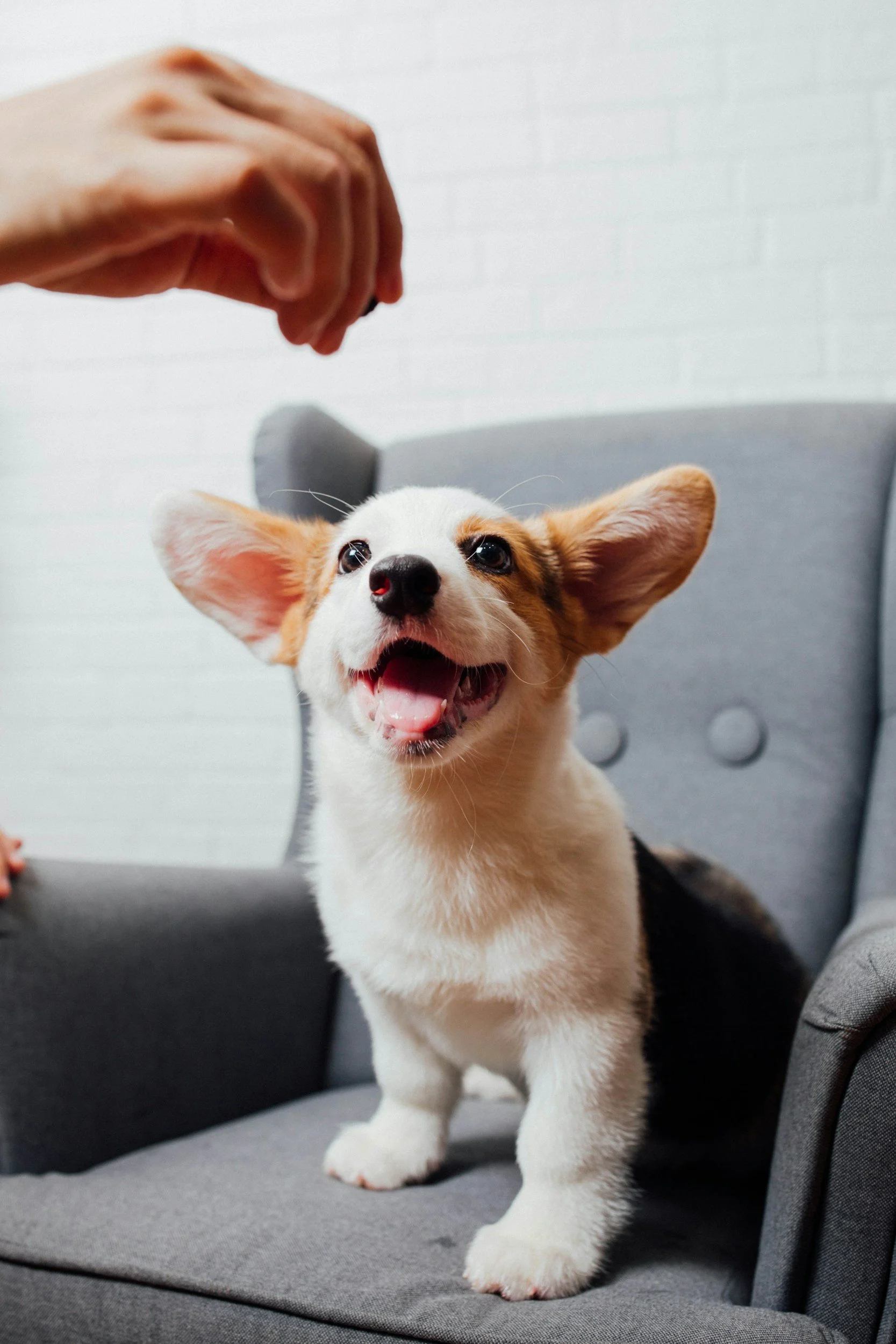
When you're first teaching a behaviour, you might use food as a lure by holding a treat in front of your puppy’s nose to guide them into position. It's an incredibly useful training method, as you're essentially borrowing your dog's nose to do the heavy lifting for you. Which is fortunate, because their nose is usually far more committed to the process than their brain at this stage.
Luring works brilliantly, and there's no shame in using it.
But (and this is the bit that matters) the goal is always to phase the lure out as quickly as possible, usually, within the first few repetitions of a new behaviour. The food should stop being the thing that produces the behaviour, and start being the consequence that follows it.
That's rewarding. And rewarding is an entirely different relationship with food.
With rewarding, your dog does the thing, and then the treat arrives as a result of that decision. The food isn't leading them anywhere. It's simply marking the moment: “Yes! That! Brilliant! Well done!”
But once a behaviour is well and truly established through rewarding, you can start to give the reward less predictably. First intermittently, then occasionally. And counterintuitively, the behaviour actually gets stronger as a result.
This isn't a trick, and is the same psychological principle that makes slot machines so extraordinarily difficult to walk away from. Unpredictable rewards are more compelling than guaranteed ones (deeply unfortunate if you're standing in a casino at 2 am. Extremely useful if you're teaching recall).
What actually keeps the behaviour going
Once a behaviour is properly trained (and I do mean properly trained, in multiple locations, with real-world distractions, at different times of day, with different levels of excitement in the air), your relationship with your dog starts to do an enormous amount of the work.
Dogs who've been trained with food pick up something beyond the behaviours themselves:
They learn that engaging with you tends to be worth their while
That paying attention to you tends to lead to good things
That you're somebody worth orienting towards, even when there are interesting smells, other dogs, and a suspiciously exciting rustling in the hedge which could be a squirrel, a crisp packet, or absolutely nothing at all.
Food is what builds that relationship in the first place. After that, your relationship does the job on its own.
Once that foundation is there, you can also start leaning into what trainers tend to call "real-life rewards." Which basically means things your dog finds genuinely valuable that aren't food at all:
Permission to sniff the interesting patch of grass
A game of tug with their favourite toy
The lead coming off
Being allowed to go and say hello to the other dog in the park
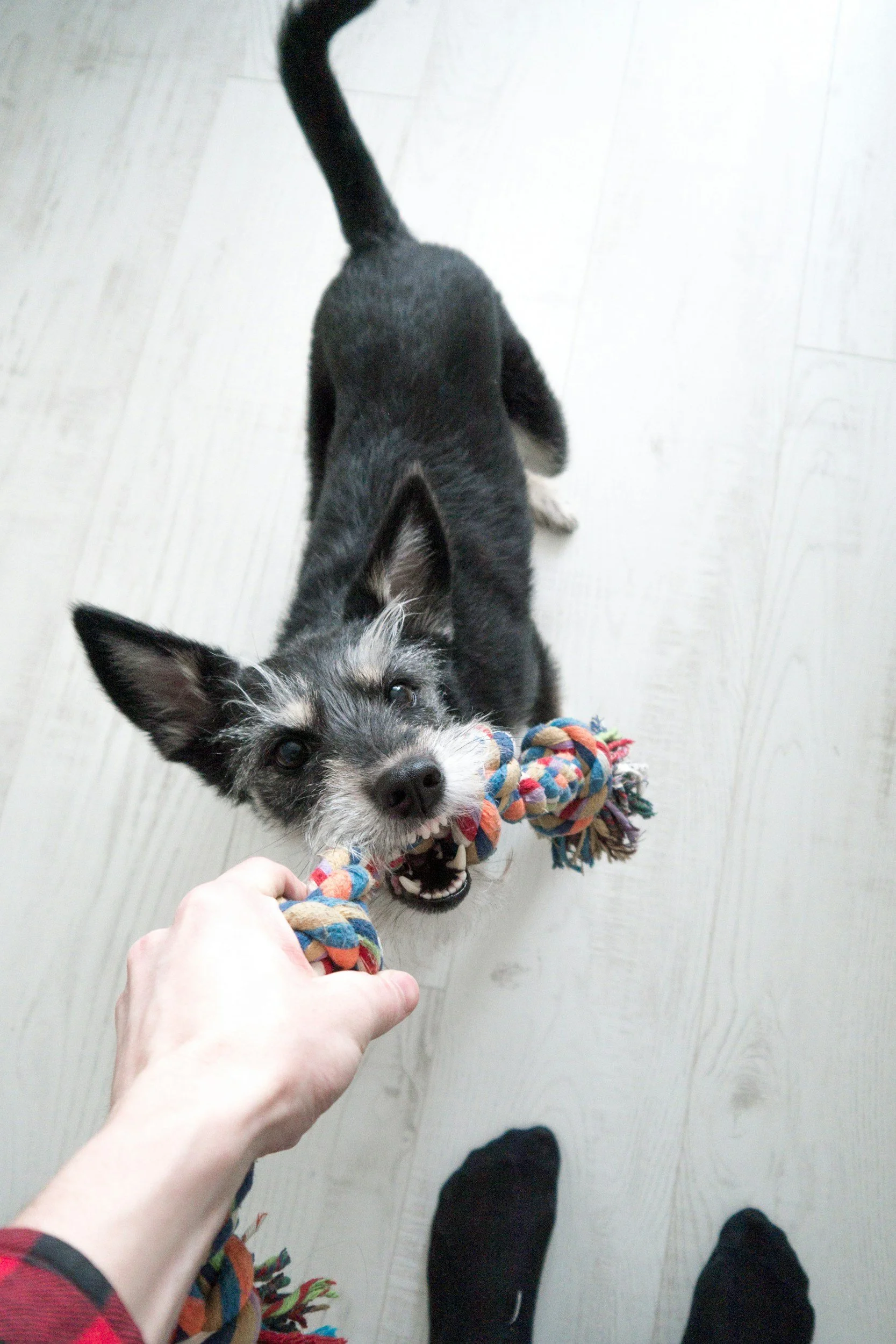
The world is absolutely full of things your dog would love, and you just have to start noticing what they are and using them with a bit of intention.
Treats, at that point, become a top-up rather than a toll. They start being something you reach for occasionally, not constantly, and they become a nice-to-have rather than an operational requirement.
So why does it sometimes feel like it isn't working without food?
Usually, if removing food causes a behaviour to fall apart completely, one of two things is happening.
The first is that the lure was never properly phased out, and that your dog learned the food-in-front-of-nose pattern rather than the actual behaviour. This isn’t anyone’s fault; it's just a training stage that got skipped.
The second is that you've jumped ahead too fast, and that the behaviour isn't as solid as you thought. If you take the food away before the behaviour is really solid and your dog has had enough practice in enough different situations, you might be left wondering why it's all fallen apart. But it's just that the behaviour needed a bit more time to bake before we turned the oven off.
Neither of these is a disaster, and both are totally fixable.
A brief word on what "always" looks like in practice
Here's the honest truth: Most trainers who've been doing this for years still carry treats on walks. No matter how well-trained your dogs are, there’s no avoiding the fact that having food in your pocket is the canine equivalent of carrying emergency snacks on a long car journey. Technically optional, but emotionally essential.
The goal is not to eliminate food from your interactions with your dog, but to stop being held hostage by it. It should feel effortless and natural, and not like a dependency. A treat for a particularly excellent recall, or a reward for choosing to ignore the squirrel that they really, really wanted to chase, are all ways of simply being nice to your dog.
We don’t want a future where food is forbidden, but one where it's occasional, intentional, and not the only thing standing between you and cooperation.
The good news is that once you understand the difference between luring and rewarding, and you start building behaviours with a bit more patience and a lot more repetition across different situations, that future arrives faster than you'd expect.
And your dog, for what it's worth, will be none the wiser about the philosophical journey that got you there.
Happy Training!
Sarah-Jane xx