
When one pet dies: Understanding grief in the animals who stay behind

The quiet shift in your home
When we lose a beloved pet, the grief can feel overwhelming, and you can’t help but notice the shift in energy and sense of loss in your home. The house feels quieter, even if there are still other animals padding through it. Routines that once felt automatic suddenly feel heavy. You notice the empty bed, the unused bowl, the absence of familiar sounds.
In the midst of our own grief, it can be easy to overlook that someone else in the household may also be finding it hard to adjust to the loss. The dog who keeps sniffing their companion’s favourite sleeping spot. The cat who wanders into rooms as if searching. Animals may not understand death in the same way that humans do, but they absolutely understand presence, attachment and change.
Do pets experience grief?
Animals can form strong bonds. They share routines, sleeping spaces, play rituals and social dynamics. When one member of their trusted circle disappears, it creates a disruption that goes beyond companionship. The feeling of predictability they always felt shifts, and familiar patterns dissolve. The absence is felt in ways that are both subtle and visible.
Grief in animals does not always look dramatic. Often, it shows up as small behavioural changes. For instance, it may manifest as your pet becoming clingier than usual, a change in their appetite, or a slight shift in their normal habits and routines. Some may become more vocal while others withdraw, and occasionally, you might even see a sudden burst of independence or playfulness, which can leave you feeling confused.
There is no single correct way for a pet to respond. Just as humans grieve differently, animals do too. The pet who always seemed indifferent to their departed companion may appear deeply unsettled, while the one who appeared inseparable may adjust quickly. Relationships are often more complex than they look from the outside.
They are also responding to you
Alongside the absence of their pal, your pets are also responding to you. Animals are extraordinarily perceptive when it comes to emotional energy. They notice when you move more slowly through the day, and they sense your quiet tears, long pauses and moments when your presence feels different.
If your remaining pet seems not quite themselves, part of that may be because they know their human is grieving too. That is not something to feel guilty about. It is simply part of shared life, and your shared emotions and energy are woven into the fabric of your shared existence.
Should they see their companion after death?
Many families wonder whether they should allow their remaining pet to see the body of the one who has passed. There is no universal answer, but some evidence and anecdotal experience suggest that allowing a calm opportunity to sniff and observe can help certain animals process the change.
Animals rely heavily on scent and physical cues. A brief, peaceful moment of investigation may reduce prolonged searching behaviour later. However, this must feel emotionally manageable for you. If circumstances or personal feelings make this impossible, your pet can still adjust with time and support.
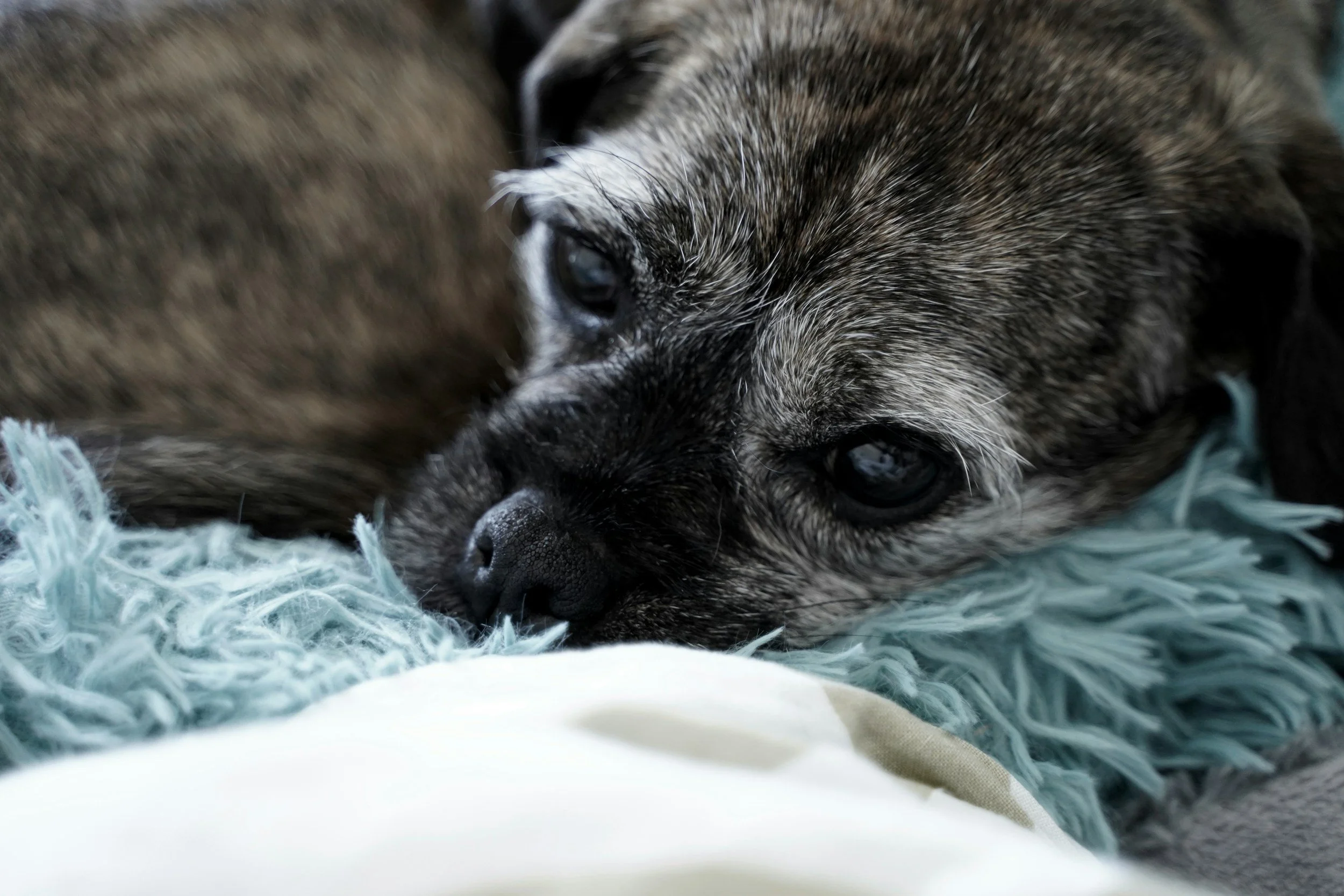
Supporting a grieving pet
Supporting a grieving pet does not require grand gestures. In fact, it is usually the quiet, consistent actions that help most.
Maintaining familiar routines provides a strong foundation. Regular feeding times, walks and bedtime rituals can create a sense of stability when everything else feels unusual. If your own grief makes your normal routine difficult, then aim for consistency rather than a rigid structure. Stability is comforting, but it does not need to be perfect.
Affection and reassurance are important, yet it can also be helpful to avoid overcompensating. It is natural to want to pour extra attention onto the remaining pet, perhaps out of protectiveness. Warmth and closeness are valuable, but dramatically changing boundaries or daily patterns can add confusion. Comfort supports healing, whereas a sudden change in habits can complicate it.
Encouraging gentle interactions can also help lift a pet’s mood. This might mean trying a new walking route, introducing a simple enrichment activity, or spending quiet time together in a different part of the house. The aim is not to distract them from loss, but to remind them that good things still exist. Think of it as a gentle nudge rather than a firm shove toward things that bring them happiness.
When to seek veterinary advice
While changes in appetite or energy can be part of adjustment, it is important to monitor physical health. If a pet refuses food for more than a day or two, becomes markedly lethargic, or shows persistent digestive issues, a check-up at the vet’s would be a good idea.
Grief can overlap with underlying health concerns, especially in older animals who have lost a long-term companion. When in doubt, reassurance from your vet can give you peace of mind.

What about getting another pet?
Another common question is whether to introduce a new pet quickly to fill the gap. This decision is deeply personal, and there is no right or wrong answer. While a new companion can bring joy and positivity to your home, it is important not to see the new animal as a replacement.
Your grieving pet may need time for their world to stabilise before welcoming someone new. Equally, you deserve space to process your own loss without the pressure of restoring the household dynamic too quickly.
Remember: There is no deadline for you to make this decision.
Your pet may be more resilient than you think
There is a quiet strength in animals that we sometimes underestimate. Yes, they feel loss, they notice absence, and they can experience confusion or distress when a companion is no longer there. And yet, they are also deeply anchored in the present moment.
While we may replay memories or anticipate the future without the one we have lost, our pets tend to respond to what is in front of them. Warmth. Food. A familiar voice. A comfortable place to rest. The world, for them, is immediate and sensory.
You might notice your pet stretched out peacefully in a patch of sunlight a few weeks after the loss and feel a complicated mix of sadness and relief. How can they look so content when their bestie is missing? The answer is not that they have forgotten. It is that they are responding to the safety and comfort that still exist around them.
Their resilience does not diminish the bond that was shared. It reflects their instinct to move toward security, connection and simple pleasures. In many ways, it is a gentle reminder that healing does not mean the absence of love. It means learning to live alongside it in a totally different way.
Look after yourself, too
As you care for your remaining pet, it is worth remembering to extend the same compassion toward yourself. Grief is not neat or linear; it can appear in waves, sometimes triggered by the smallest detail.
It is perfectly acceptable if you cry during walks or pause longer than usual before filling a bowl. Your pet does not require you to be perfectly composed. They need you to be present, even if that presence includes quiet tears and moments of reflection.
Healing takes time
When one pet dies, it affects the whole household. The animals who are left behind often show their loss in subtle ways. But by offering consistency, reassurance and patience, you can help them feel secure again.
Grief reshapes a home, but it does not remove love from it. To begin with, it can feel unsteady and hard to navigate. But with time, care, and shared experience, the space begins to feel stable again as you sink into a new normal.
These are not signs of you forgetting. They are signs of healing — for all of you.

In loving memory of Richmond, whose passing was the inspiration for this blog xxx